
For 35 years, I led from a title. For most of that time, it worked—or at least it worked as expected.
I was an executive in the private sector and the federal public service. I led teams, programs, and large organizations. In both settings, leadership was based on positional power. Head office issued directions. We received them, followed them, and did not question them. The hierarchy was clear, the chain of command was firm, and the person at the top made the decisions while everyone else carried them out.
I do not say this with nostalgia. I say it because it is true—and because I learned, painfully, what that model can cost.
I remember the director general who called me into her office every Friday at five o’clock to spend an hour telling me everything I had done wrong that week. I remember another director general who gathered my fellow directors and me every Tuesday morning for two hours to express his anger with all of us. And I remember an assistant deputy minister who was so frustrated with his directors general that he hit his desk with his pen so hard that it left dents in the hardwood.
These were senior leaders. They were successful and capable people. But the only power they knew how to use was the power of their position. It did not make us better. It made us smaller, quieter, and more careful about what we said. We learned to manage our fear instead of focusing on the work.
When the old model stopped working
Then my life took a turn that had nothing to do with hierarchy.
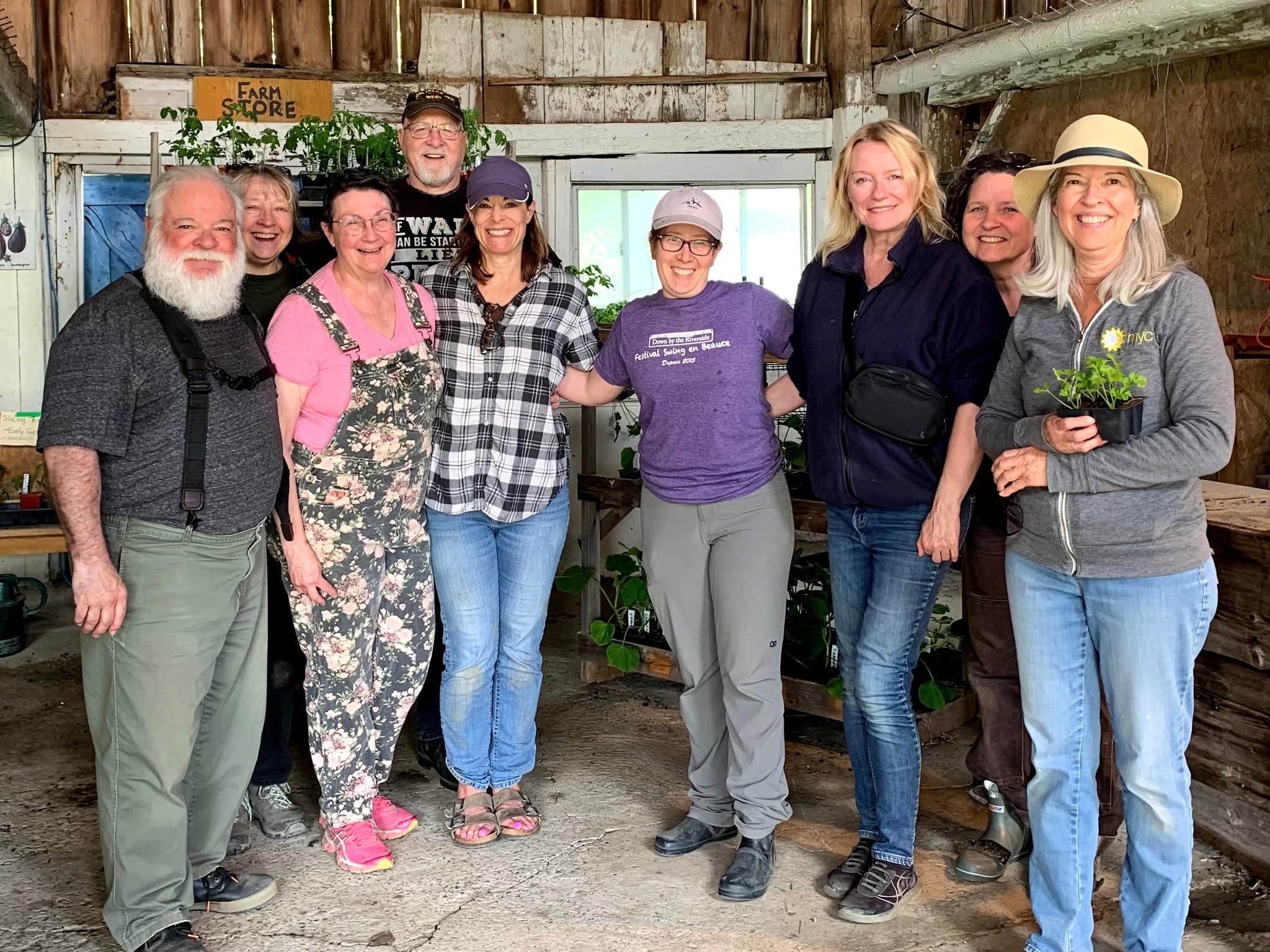
Today, I lead an agricultural hub with 125 members. Most are independent-minded contributors. They include Gen Z members and people of other ages who enjoy farming together. They are united less by age than by their interest in sharing the experience.
The old leadership playbook simply does not work with them. That is not because they are difficult. It is because they do not see a person’s position as a reason to follow them.
When I began leading these organizations, I had to let go of the positional leadership style I had used for more than three decades. There was no head office issuing orders. There was no chain of command to enforce compliance. There were people who would follow me only if they chose to—and they would choose to only if I earned their trust.
So, I traded the title for trust.
Decisions that were once made behind closed doors are now made together. We discuss the options openly instead of deciding everything in advance. “Because I said so” has become “Here is what I am thinking. What do you see?”
Positional and personal power
The difference between these two types of power is really the difference between compliance and commitment.
Positional power comes from a title. People follow because of a person’s role, rank, or authority to reward and punish. This approach can be efficient because directions move quickly. But it is fragile. It works only while the person holds the position, and it usually produces only what people are willing to do while someone is watching.
Personal power comes from the person. People follow because they trust and respect that person’s knowledge, judgment, and character. Personal power takes longer to build and is harder to measure, but it lasts. It works whether or not the person has a title. It also encourages people to do their best because they believe in the work.
For most of my career, I relied on positional power. I was good at it. But I now believe it was the easier form of leadership—not the better one.
A new way to lead
Leading independent-minded contributors taught me that personal power is not only more respectful; it is also more effective.
These people do not respond to hierarchy for its own sake. They respond to:
- Competence.
- Honesty and openness.
- A clear sense of purpose.
- An explanation of why something matters.
- Useful feedback instead of lectures.
- Clear boundaries instead of unreasonable demands.
- Coaching instead of control.
This meant I had to unlearn much of what I had been taught. Instead of giving orders, I explain. Instead of making every decision myself, I consult others. Instead of protecting my authority, I share it.
In a strange way, this experience brought me back to my earlier work. I developed a structured approach to helping organizations manage change. That approach is at the heart of my e-book, Change Quest.
Now I use the same approach on a much smaller, daily scale. I lead a conversation with a few members in much the same way I once led a major transformation across an entire organization.
Each day is a small change project:
- Build trust.
- Understand the issue.
- Explore the options.
- Make the decision together.
- Help people move forward.
The steps are the same. Only the scale is different.
What I wish I had known
If I could go back and tell myself one thing, it would be this: You do not have to choose between being respected and being liked.
I once thought those were opposites. They are not.
The leaders who made the deepest impression on me were not the ones who shouted the loudest. They were the ones who made me feel safe enough to do my best work.
The dents in that desk remind me of what positional power can do when it is all a leader has. The thriving volunteers at my farms remind me of what personal power can achieve when a leader is willing to let go of the title and lead as a person.
I spent 35 years learning to lead from a position. It took a farm full of well intentioned, generous people to teach me how to lead as a person.
If you lead a team that thinks for itself—or if you are wondering whether your own leadership is based more on title or trust—the method I use every day is at the heart of my e-book, Change Quest. It is the same framework I have adapted from large organizations to community farms, and it can help you move from positional leadership to personal leadership.


[…] In my article on positional power and personal power, I wrote that the difference is often the difference between compliance and commitment. Positional power comes from a role, title, authority, budget, or reporting relationship. Personal power comes from trust, credibility, relationships, experience, honesty, and respect.[dralanviau] […]
LikeLike