
There is something quietly transformative about returning to the same place year after year. Over the past six seasons, our trips to Picton have evolved from simple getaways into something closer to a culinary pilgrimage—one where the landscape, the people, and the local producers shape not just what we eat, but how we think about food itself.
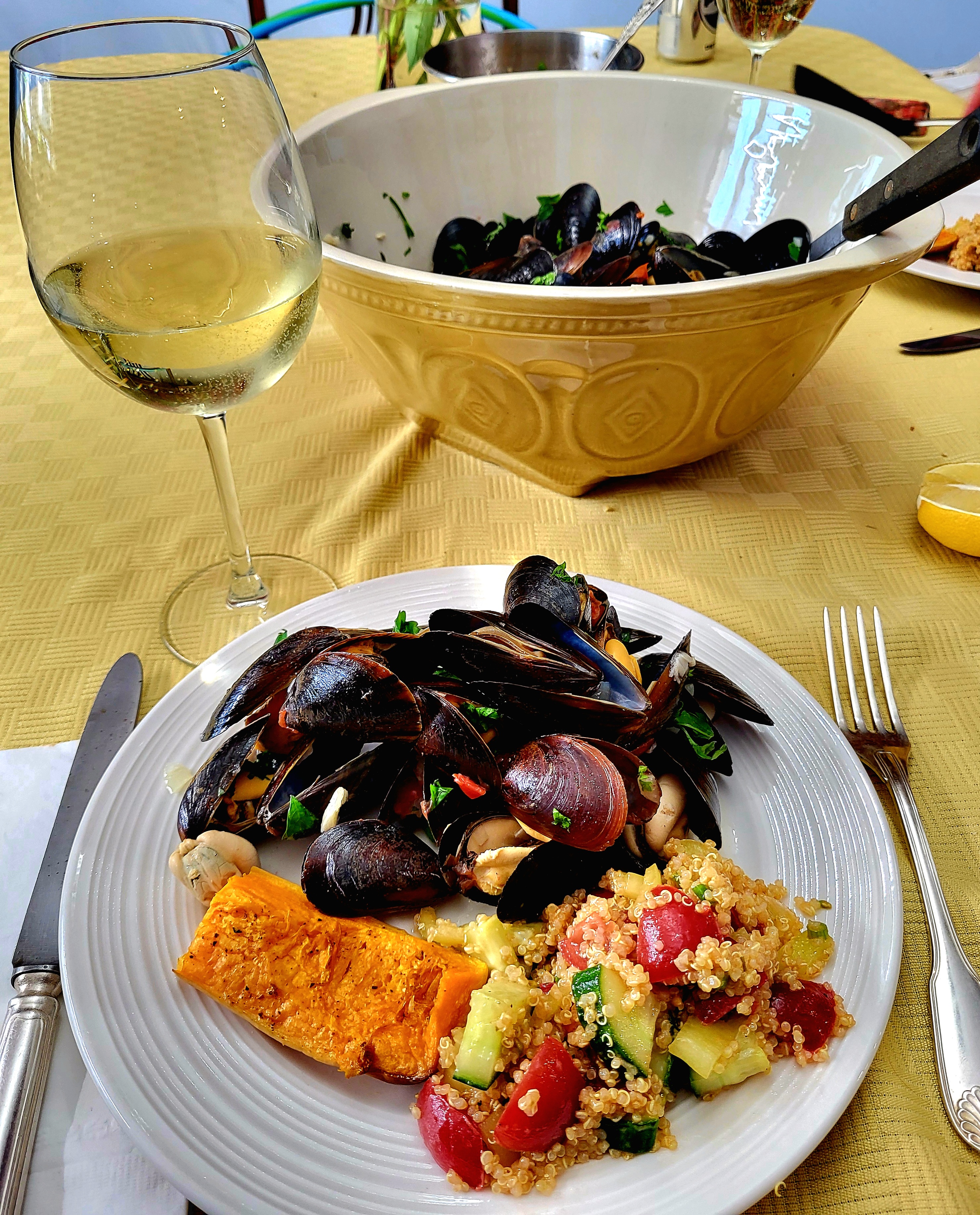
This latest meal captures that evolution perfectly: wine-steamed mussels in a tomato white wine sauce, paired with a bright quinoa salad and a roasted squash on the side. On paper, it is a straightforward menu. In practice, it becomes something much richer, because of the ingredients and the stories behind them.
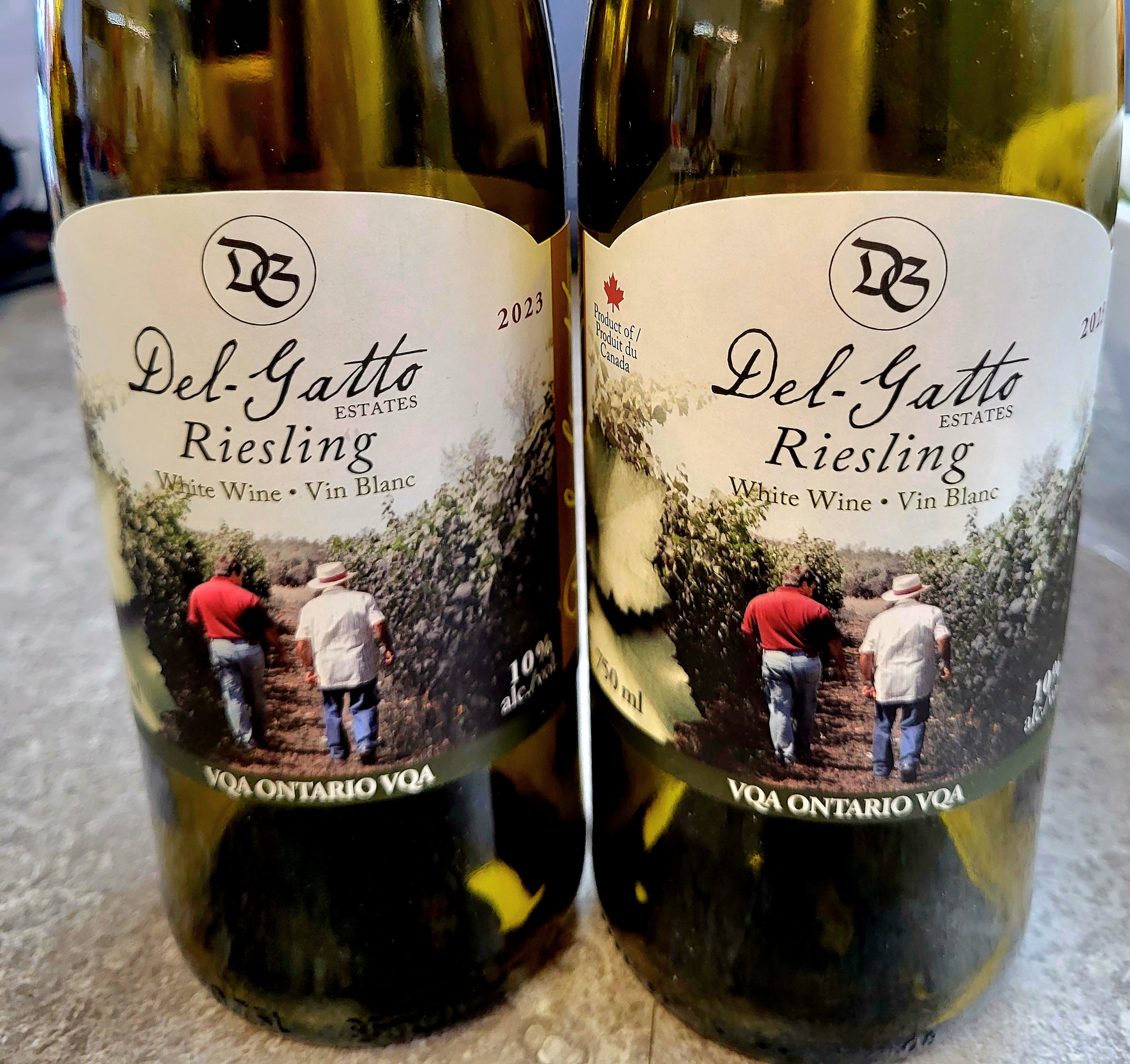
The mussels are inspired by a classic tomato and white wine preparation, but the defining choice is the wine. Instead of a generic cooking wine, we use a Riesling from Del-Gatto Estates. It brings a smooth, slightly floral character that softens the acidity of the tomatoes and rounds out the brininess of the mussels. As the pot steams and the shells open, the aroma shifts—less sharp, more layered—creating a broth that feels intentional rather than incidental. A good crusty bread becomes essential, not optional.
Alongside this, the quinoa salad provides contrast: cool, crisp, and structured. Tomato, cucumber, and onion form the base, but the key note comes from Cressy Mustard’s “Sassy” mustard. It adds a gentle heat and tang that cuts through the richness of the mussels while tying the salad together. Without it, the salad would simply be fresh; with it, the dish becomes memorable.
The roasted squash completes the plate, grounding the meal with sweetness and texture. Its caramelized edges and soft interior balance the acidity and brightness of the other components, creating a plate that moves between flavors rather than sitting in one place.
What stands out most is not the technique—none of this is particularly complicated—but the way each ingredient contributes to the whole. The Riesling is not just a liquid; it is a signature. The mustard is not just a condiment; it is a defining note. Each choice reflects a place, a producer, and years of returning, tasting, and refining.
Picton has taught us that good cooking is less about complexity and more about alignment. When ingredients are chosen with care and connection, the meal assembles itself into something greater than the sum of its parts.
In the end, this dish is less a recipe and more a reflection: of travel, of familiarity, and of the quiet confidence that comes from knowing where your food comes from—and why it matters.

 Life Horizons